
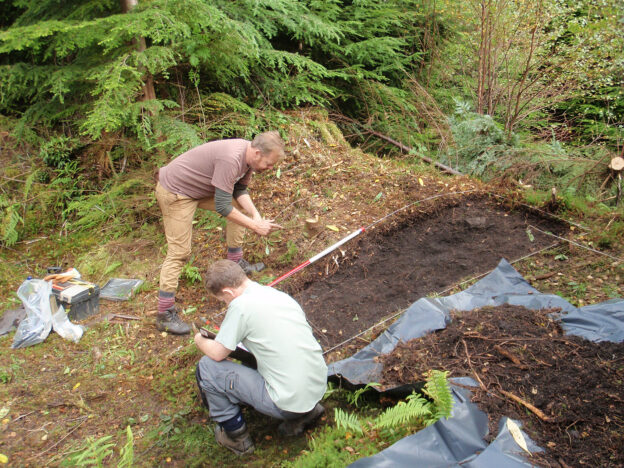
Investigations of three bloomery mounds by Lock Eck in Argyll revealed an important but largely concealed medieval industry. This archaeological research, undertaken by GUARD Archaeologists, has recently been published in the latest ARO.
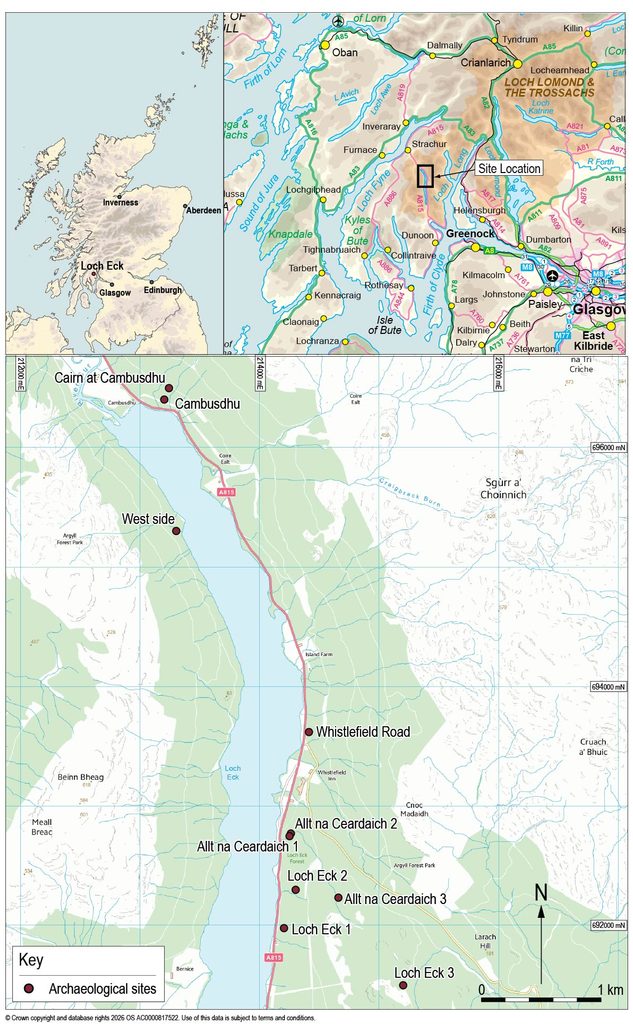
In 2015 three bloomery mounds by Loch Eck, Argyll were revisited for further scientific and environmental analyses, as well as for radiocarbon dating. One of these sites had previously been investigated in 1995 and 1996, as part of the Scottish Bloomeries Project.
Prior to 1995, little concentrated effort had been put into understanding the archaeology of bloomery iron production sites in Scotland. The interest which had been pursued came from antiquarians, local historians or local archaeology groups. Many of the basic questions in relation to bloomery sites in Scotland remained unanswered, particularly key questions on absolute dating of these sites, the sources of ore being used and how they related to the social milieu of the period in question. Since the late 1990s, a number of investigations have cast further light on the location and form of the bloomery tradition elsewhere in the Scottish Highlands.
The results of this project demonstrate that smelting took place on Loch Eck for at least 300 years from the thirteenth to seventeenth century AD. The main fuel was birch charcoal supplemented with the use of other local woodland resources.
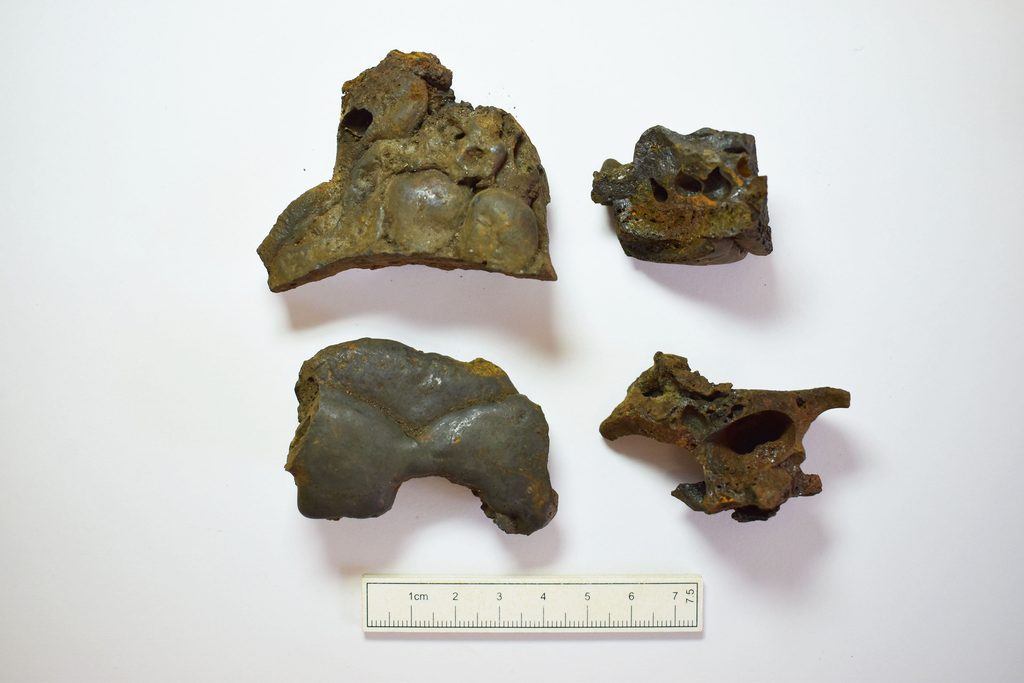
The type of metalworking waste recovered during the fieldwork indicates that both smelting and primary smithing of the iron bloom were carried out at all three of the locations investigated. The slag mounds at all three locations were large, most especially that at Allt na Ceardaich 1 and, for such volumes of waste to accumulate, smelting must have been carried out over relatively long periods of time.
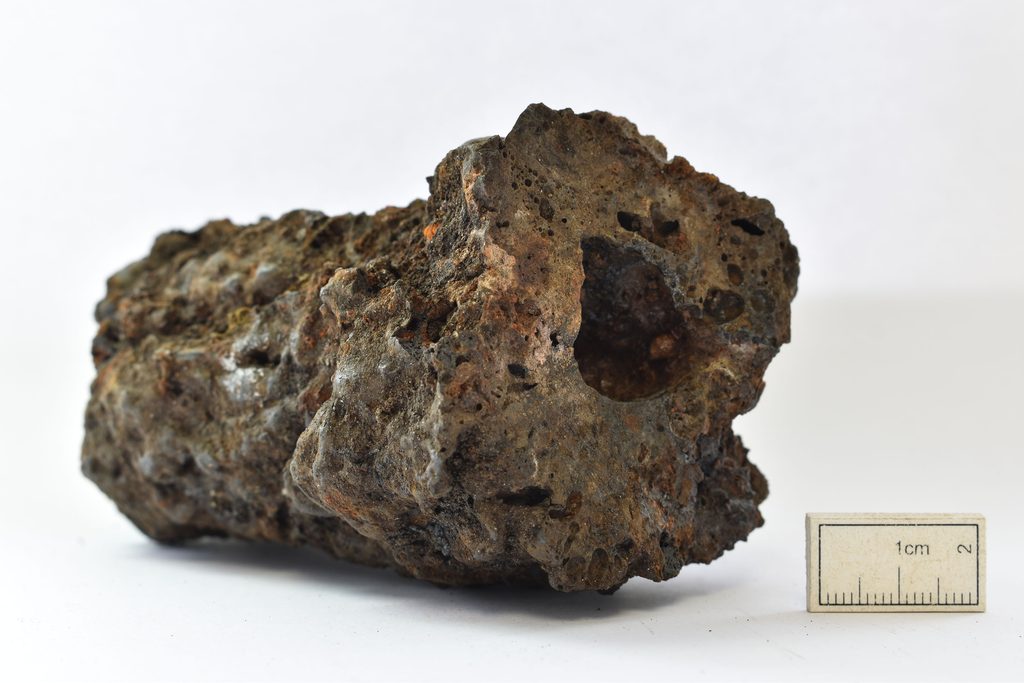
These mounds are evidence of an important but largely concealed Medieval industry that has much to reveal about the scale and nature of the iron smelting industry in Argyll and across Scotland.
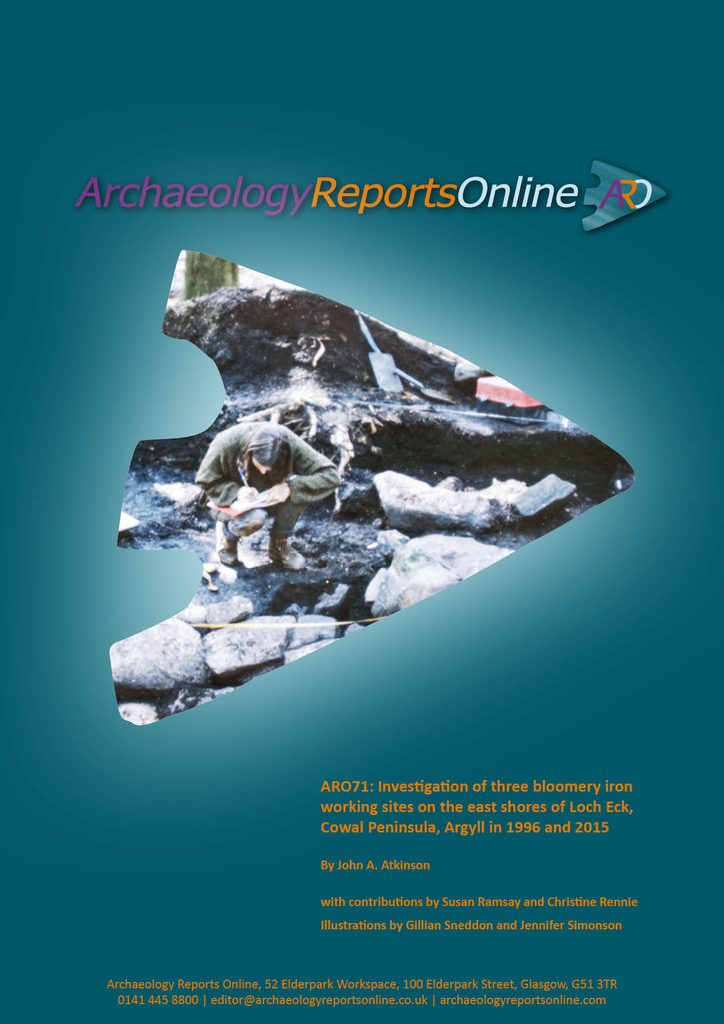
The archaeological work was funded by Forestry and Land Scotland, with radiocarbon dating supported by Historic Environment Scotland. Now that the work has been completed, the project archive will be submitted to the National Record of the Historic Environment. The artefacts will be submitted through the Scottish Treasure Trove system whereby they will be allocated to an appropriate museum.
The excavation report, ARO71: Investigation of three bloomery iron working sites on the east shores of Loch Eck, Cowal Peninsula, Argyll in 1996 and 2015 by John A. Atkinson is freely available to download from Archaeology Reports Online.