
Some interesting botanical remains were recovered from our excavations undertaken in advance of the Edinburgh Trams extension to Newhaven. Seeds of henbane and one seed of hemlock were found during the works in few midden deposits along with uncarbonised seeds of food plants including fig, wild strawberry and grape seeds.
Henbane and hemlock seeds are highly toxic members of the nightshade family but have important medicinal constituents. They are both now rare in Scottish flora which might suggest that henbane was either more common in antiquity, or was intentionally cultivated. Hemlock on the other hand might have growth locally as it does grow more commonly towards the east, and particularly near the sea.
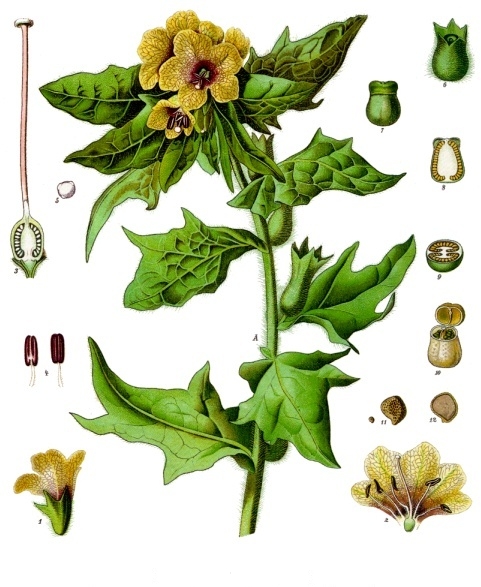
Henbane has important medicinal constituents, found especially in the leaves, but also to a lesser extent in the seeds and other parts of the plant. The active ingredients are hyoscyamine, atropine and hyoscine, which have narcotic, analgesic and sedative properties. The seeds are notorious for their longevity and have been known to sprout from freshly excavated soil heaps from archaeological excavations, especially those of castles or monastic enclosures. They have been found in medieval Perth, as well as on many other sites, all Roman or post-Roman. Henbane was known as ‘the witch’s plant’ and it was commonly used for its painkilling and sedative effects, although higher doses could be deadly!
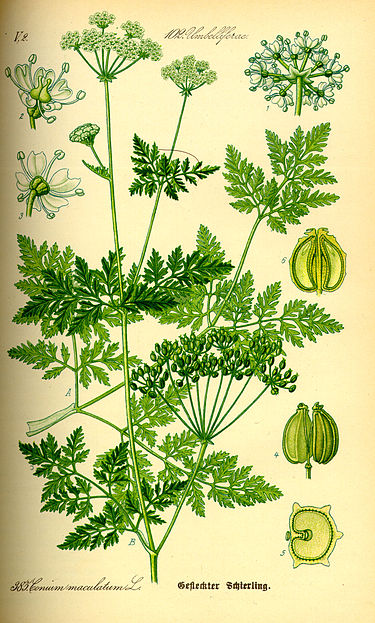
All parts of the hemlock plant are poisonous, including the seeds, although there are some claims that plants that grow in cold climates are less poisonous than those growing in warmer areas. The active ingredient in hemlock is coniine which has painkilling and sedative properties but is a very potent poison if administered incorrectly. Hemlock seeds were found associated with henbane in a cesspit deposit from the Roman fort of Elginhaugh in Midlothian. It was also recorded from deposits thought to have come from an early herb garden (c. 500-730 AD) at Whithorn. At Whithorn the hemlock seeds were associated with large numbers of seeds of small nettle, another species common at the Edinburgh Trams excavation sites. The medieval and post-medieval drain fills from Paisley Abbey also yielded seeds of hemlock as did midden deposits from Edinburgh and Stirling.