
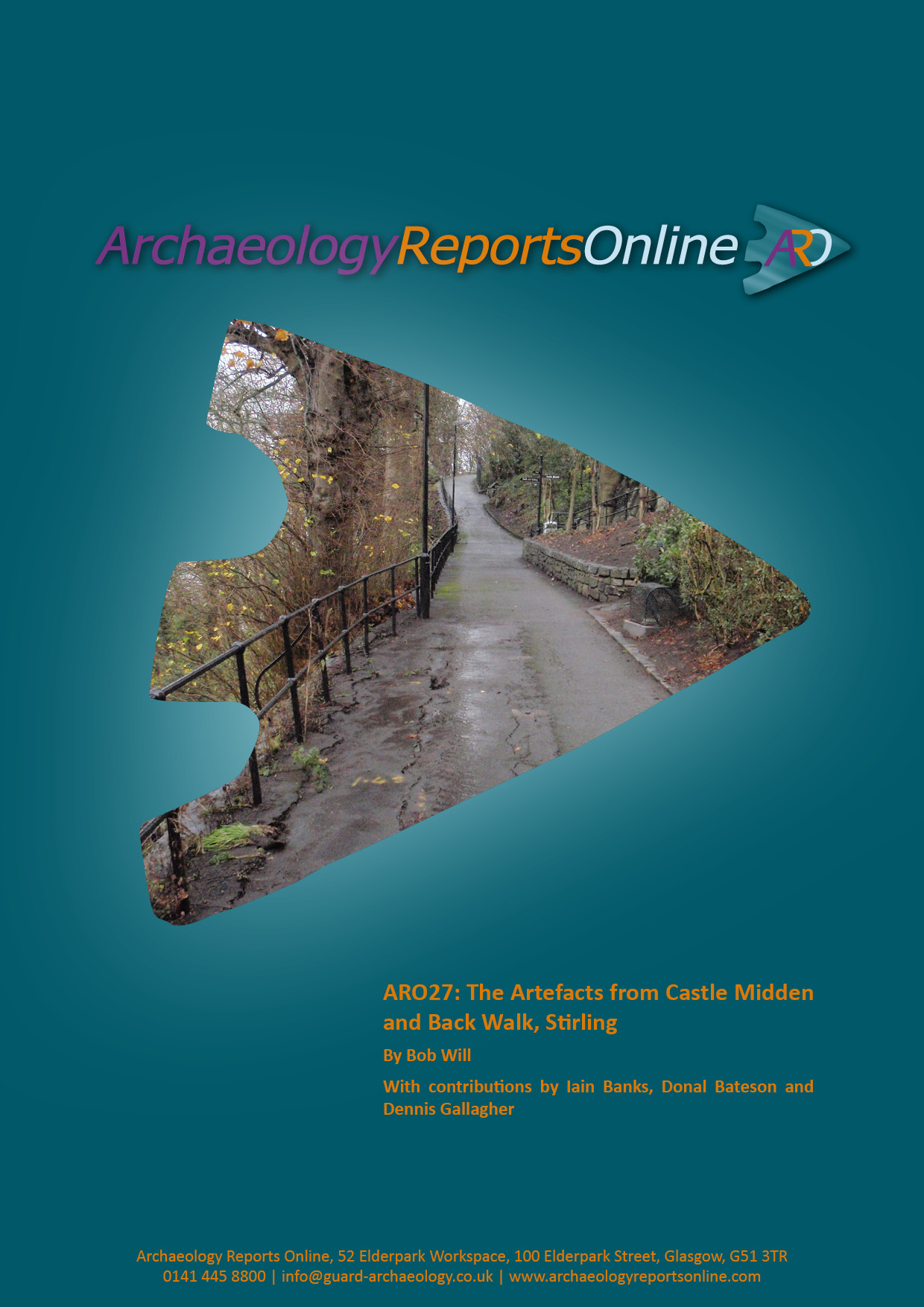
Recently published research reveals a range of artefacts recovered from two sites on the edge of the medieval burgh and castle at Stirling.
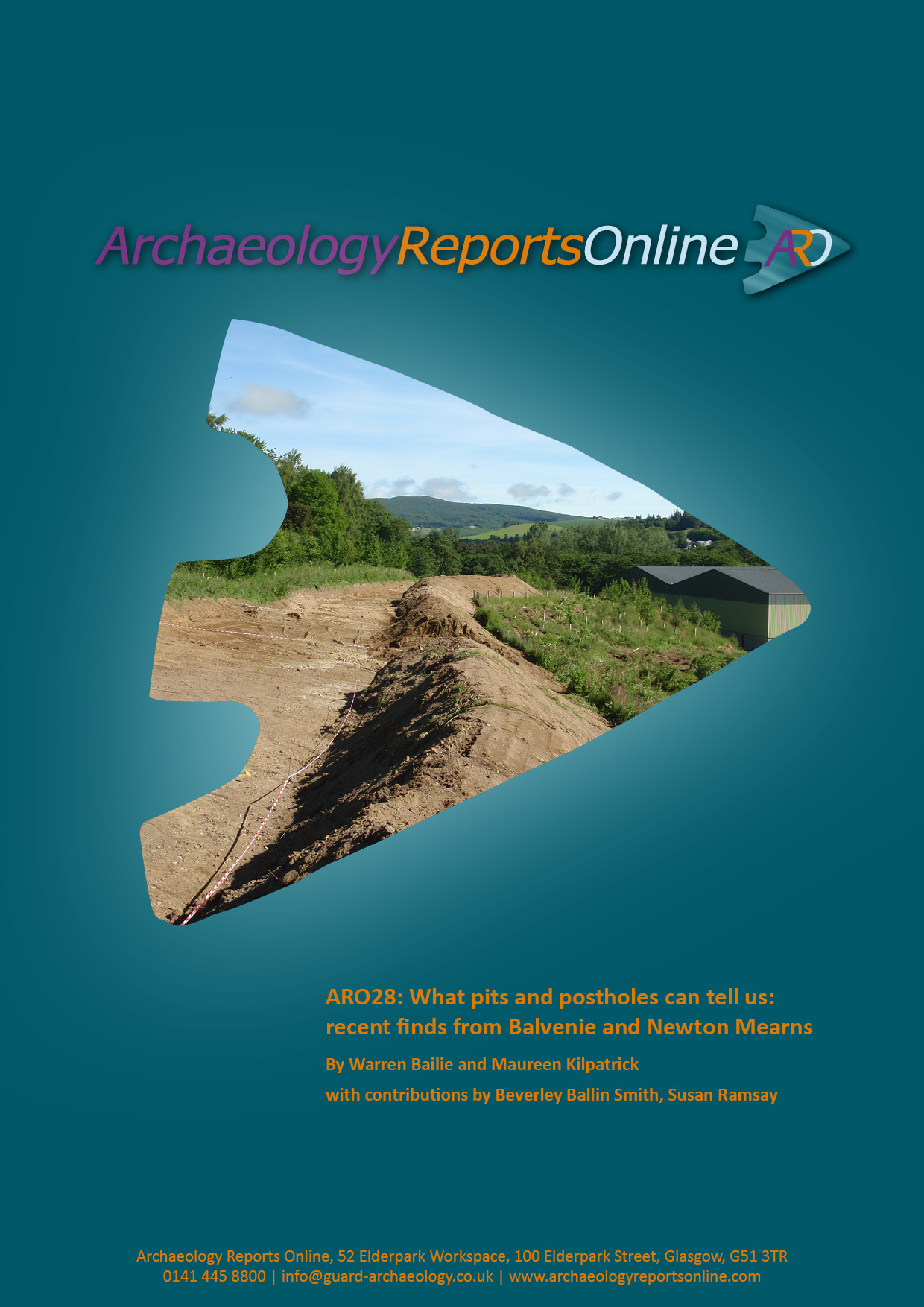
Recently published research from two sites at opposite ends of Scotland reveals new evidence for Bronze and Iron Age landscapes.
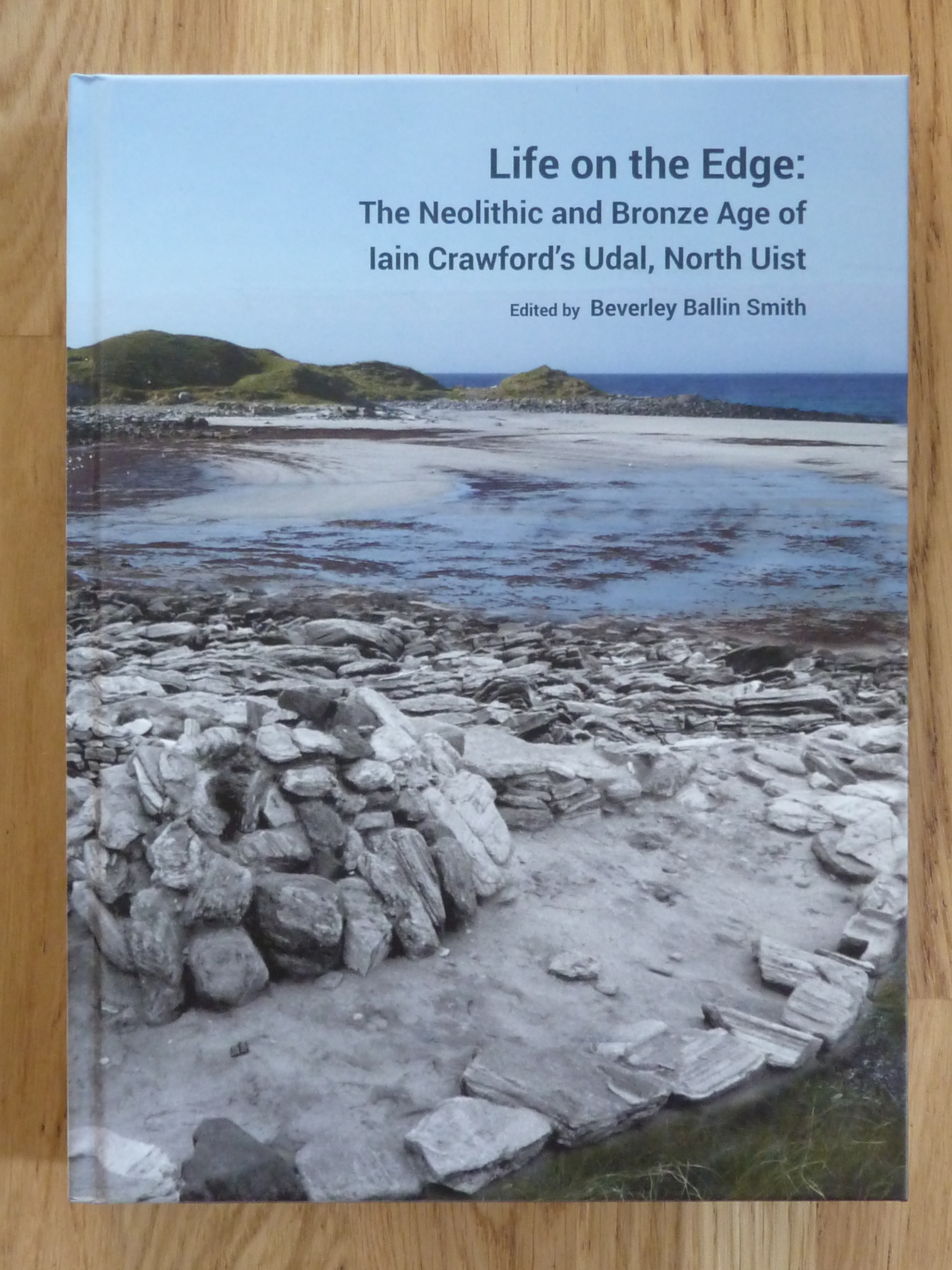
Newly published archaeological research from excavations undertaken at the Udal in North Uist reveals some of the hardships of life in Neolithic and early Bronze Age Scotland. Two burial cairns held the remains of individuals dating to the second millennium BC. Scientific analyses of these individuals demonstrate the dramatic effect that environmental stresses had on the community.
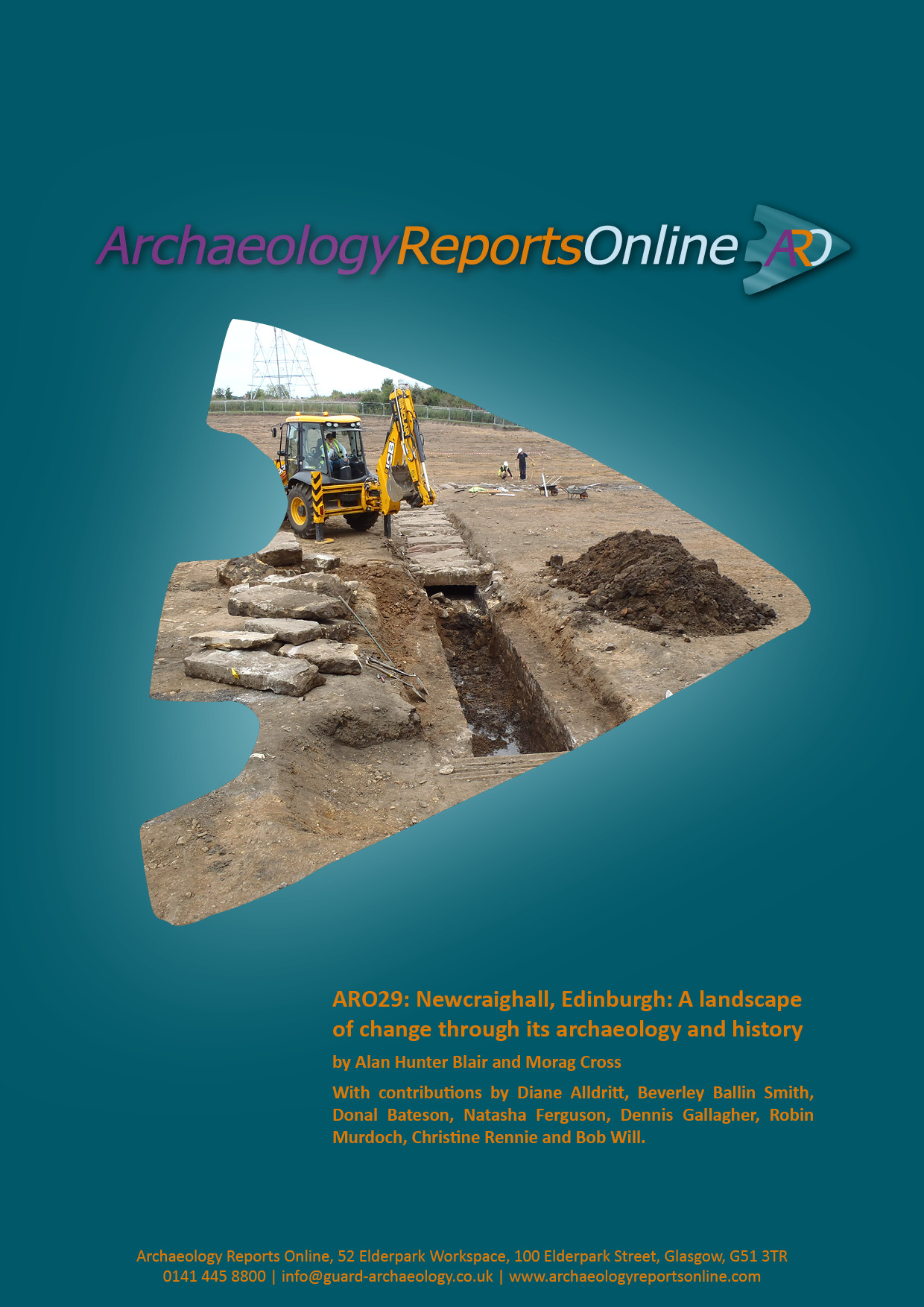
Archaeological investigations coupled with historical research of Newcraighall on the south-east edge of Edinburgh reveal a complex story of land use changes from prehistory to the present day.
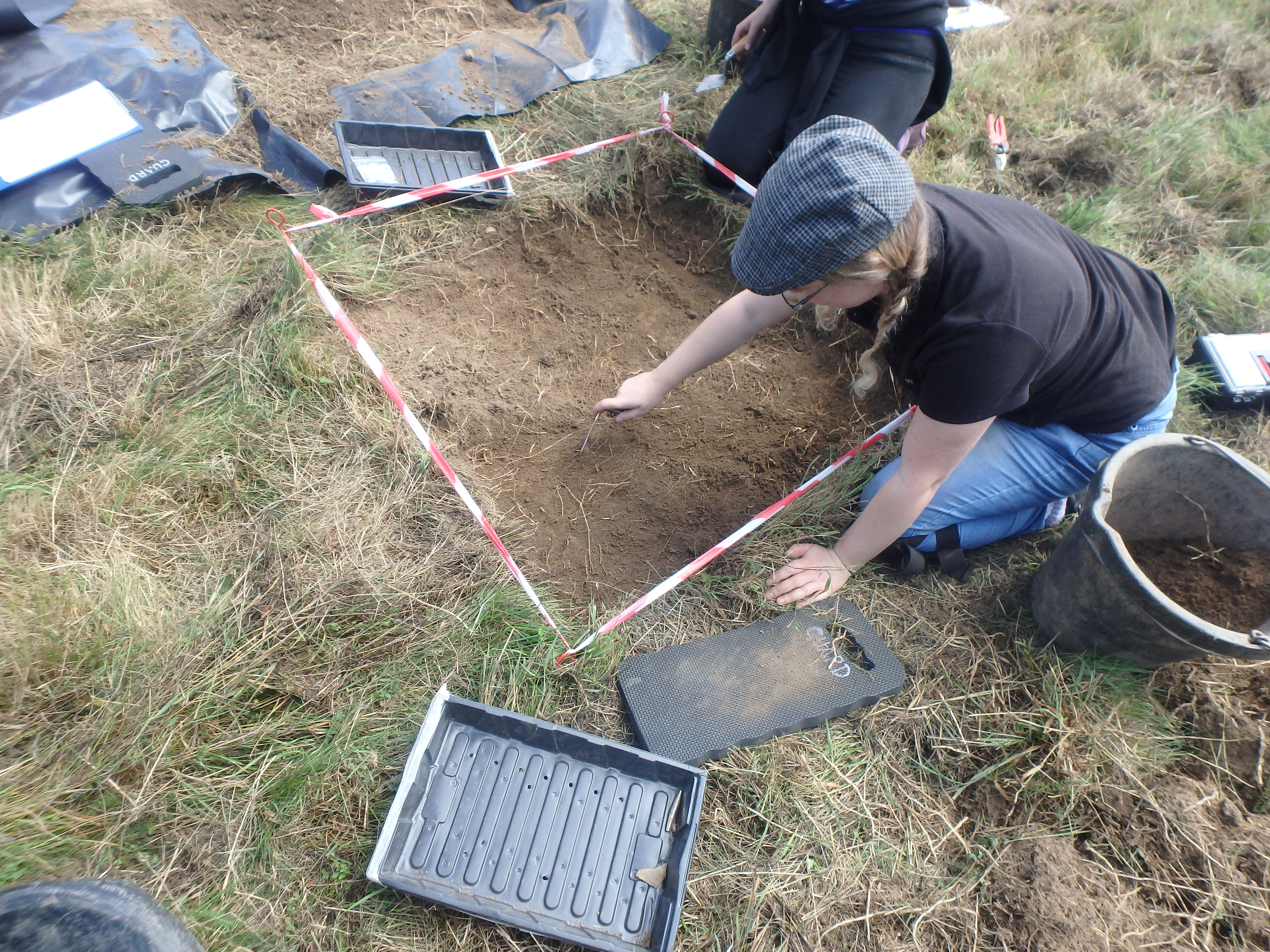
Buried beneath the back gardens of Linlithgow High Street may be objects or archaeological remains from Linlithgow’s medieval past. A new plan is underway to find out more about this hidden heritage, part of an overall project funded and supported by the Heritage Lottery Fund, LEADER and West Lothian Council. Volunteers will soon be participating in this investigation, playing an important part in digging up their town’s history.
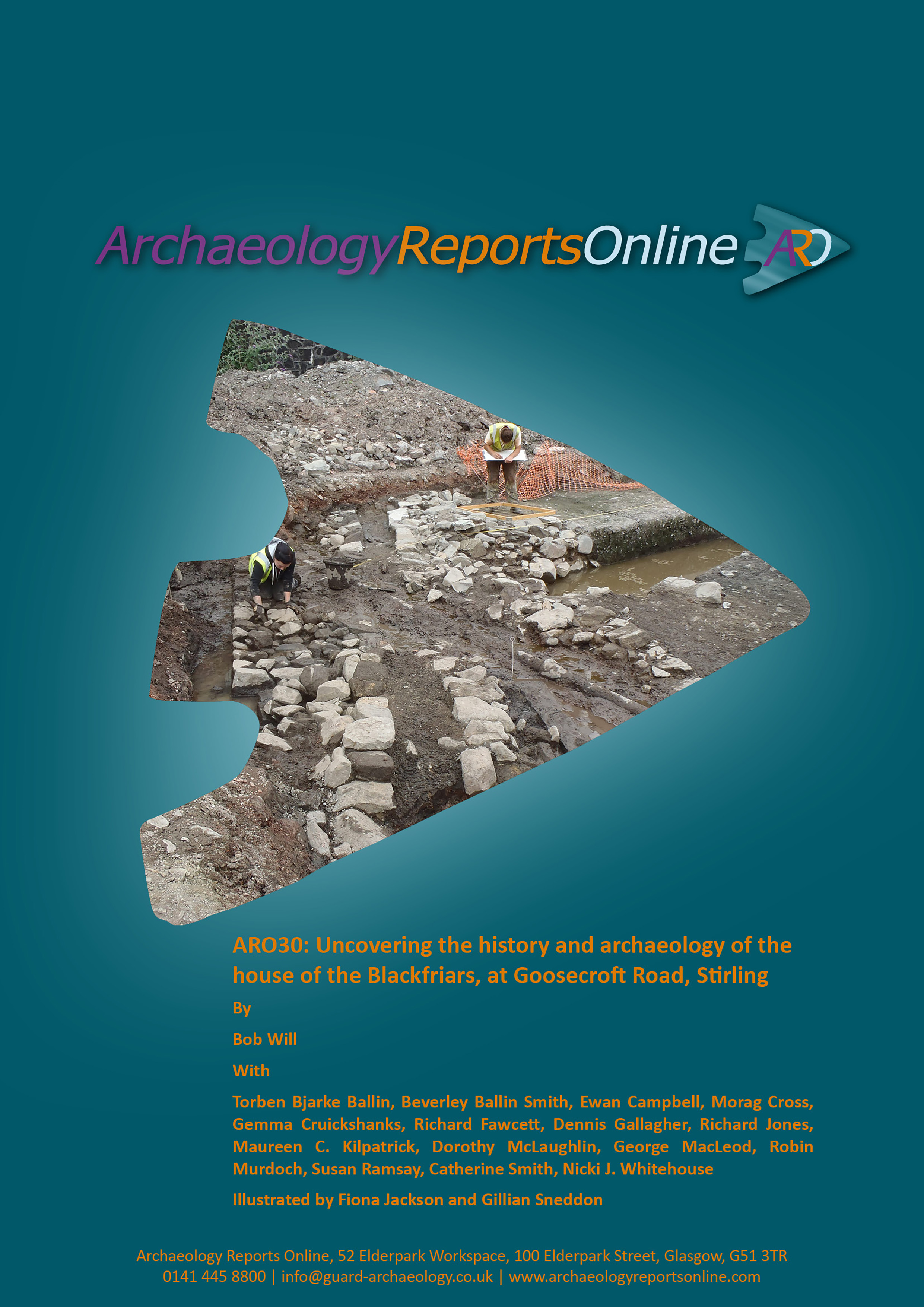
Investigations on the outskirts of medieval Stirling discovered the foundations of the medieval Dominican friary.
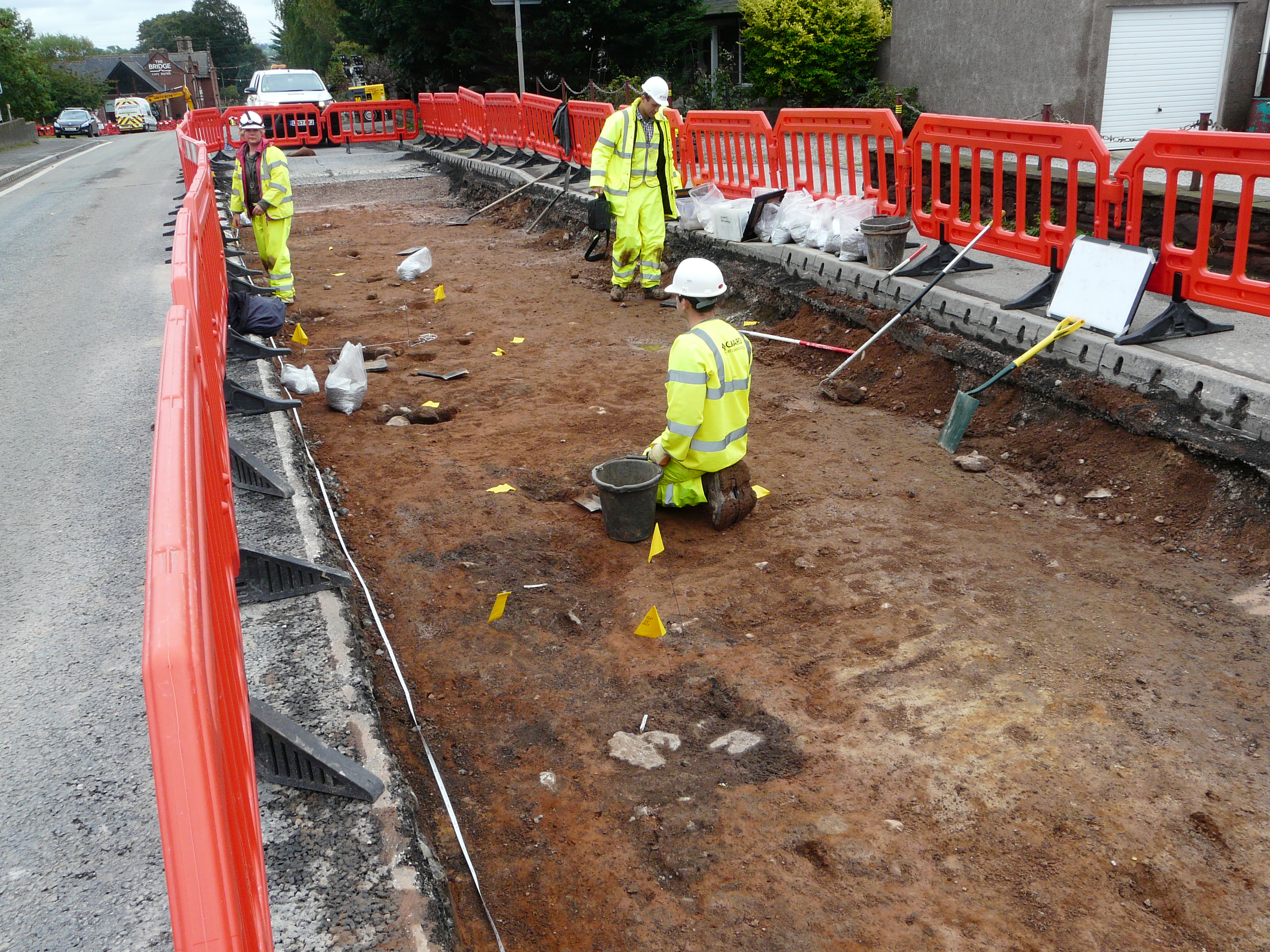
A team of GUARD Archaeologists have discovered the remains of a Roman vicus settlement just outside the Roman Fort of Bravoniacum.
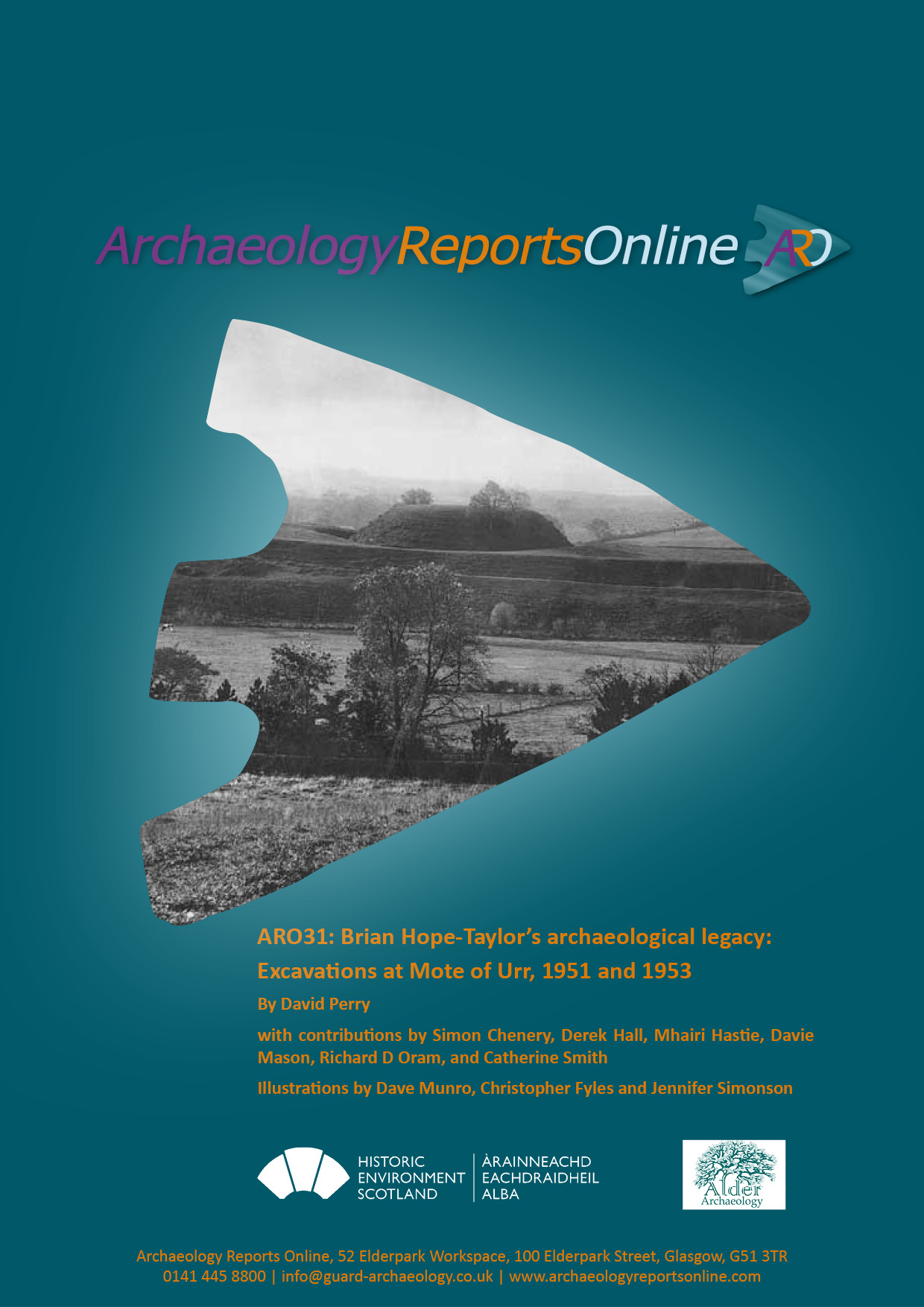
The results of Brian Hope-Taylor’s excavation of the Mote of Urr, undertaken 65 years ago, have now been published in GUARD Archaeology’s publications journal ARO. Excavations at Mote of Urr, near Dalbeattie in Dumfries and Galloway were undertaken in 1951 and 1953.